Civil and Environmental Engineering
Civil engineers are stewards of our natural resources and—using sustainable and ethical practices—design, construct, maintain, and improve the facilities, services, and systems that support modern society.


From news.lafayette.edu
All Recent News
Mar 30, 2026
Inside the Classroom: Where curiosity and engineering judgment meet
In ES 101, budding Lafayette engineers gain an appreciation of classic engineering skills and the art of design

Mar 17, 2026
Engineering success on and off the court
On the basketball court, in the classroom, or out serving the community, Teresa Kiewiet ’27 approaches her every endeavor with a winning mentality
Feb 10, 2026
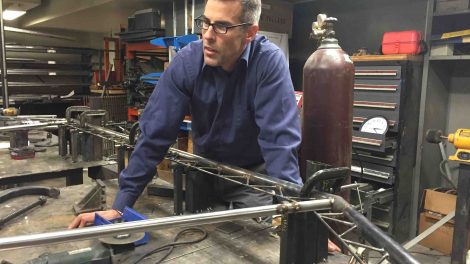
A mentorship that builds more than bridges
With genuine displays of mutual respect and informality Prof. Steve Kurtz has created an ever-widening community of students and alums that supports one…
Feb 18, 2025
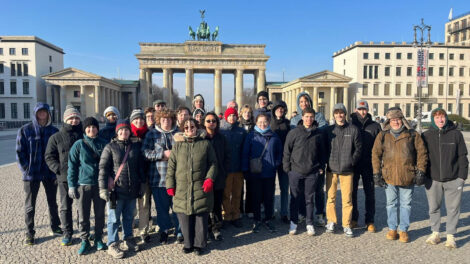
Virtual Connections Abroad: Exploring Urban Infrastructure in Germany and Beyond

Jan 14, 2025
Nancy Ingabire Abayo and Xu Ma to Receive Information Literacy Grants

Mar 6, 2024
Students Take Third Place in National GeoVideo Competition
Three Civil and Environmental Engineering (CEE) juniors, Kathryn Wright, Socheata Huot, and Sean Walshe, earned third place in the National GeoVideo Competition…
Engineering Programs
The programs are grounded in Lafayette’s traditional strength in discipline-specific engineering and complemented by the College’s excellence in the liberal arts.
Learn more about the engineering programs


