Overview
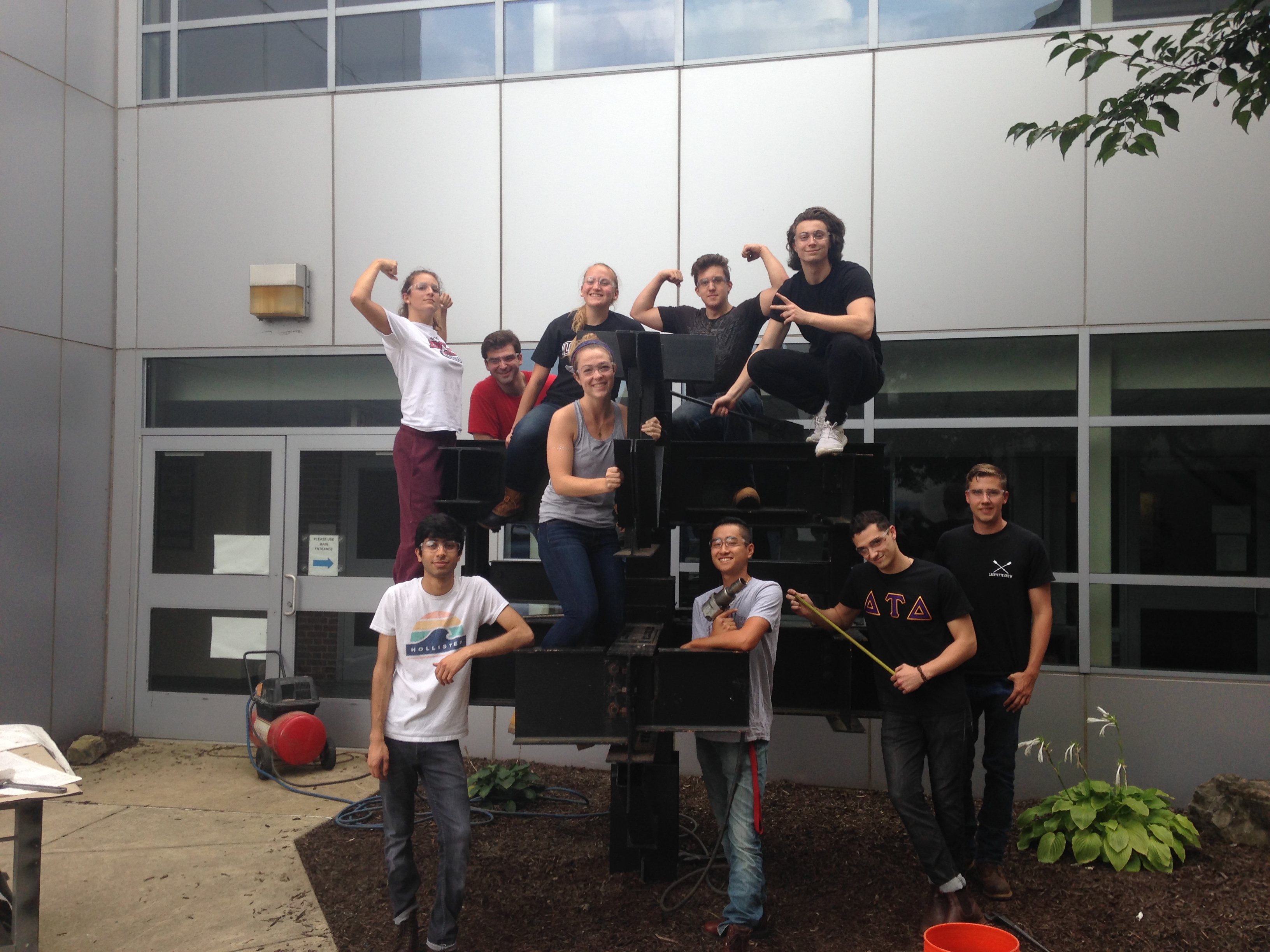
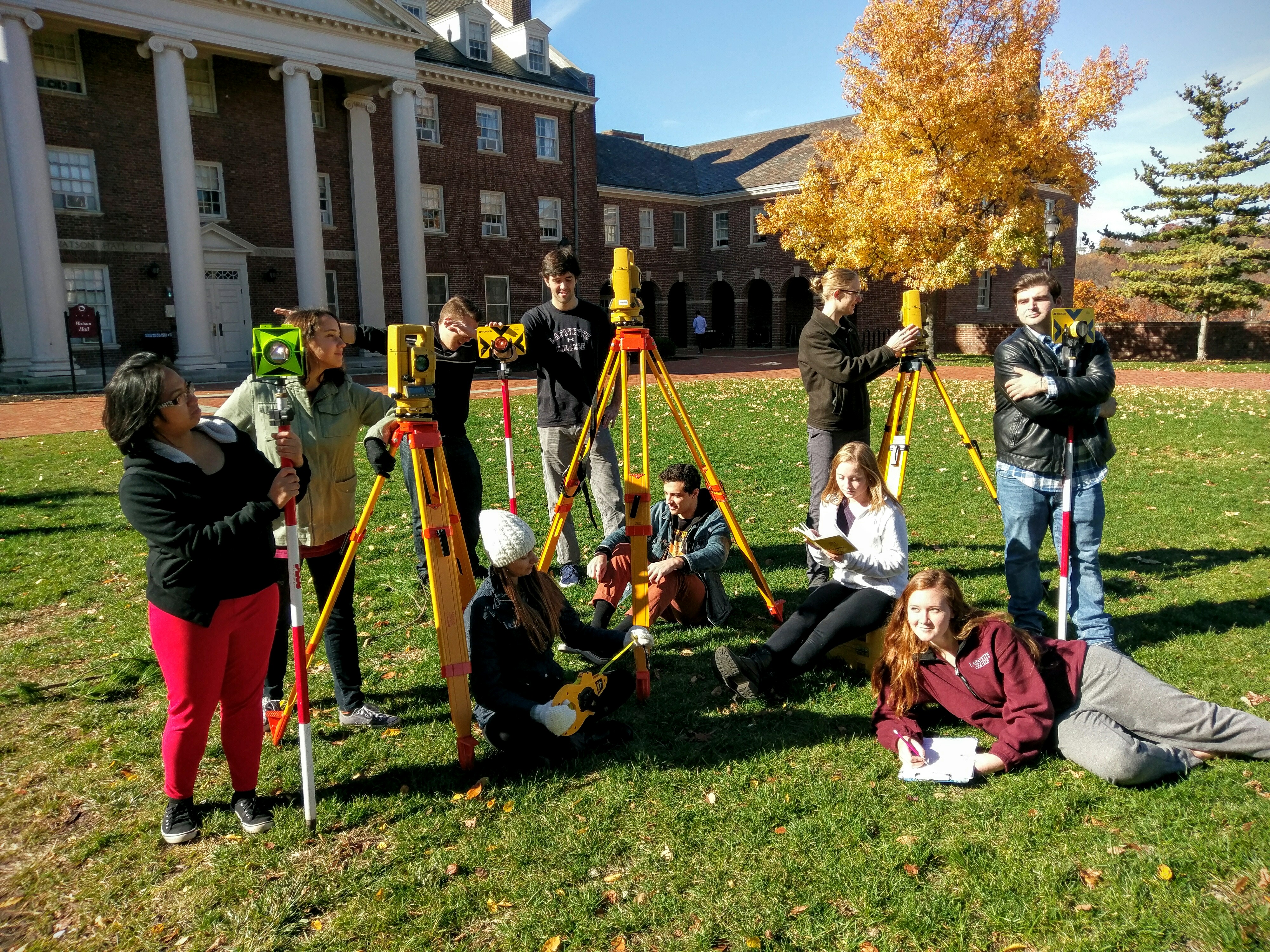
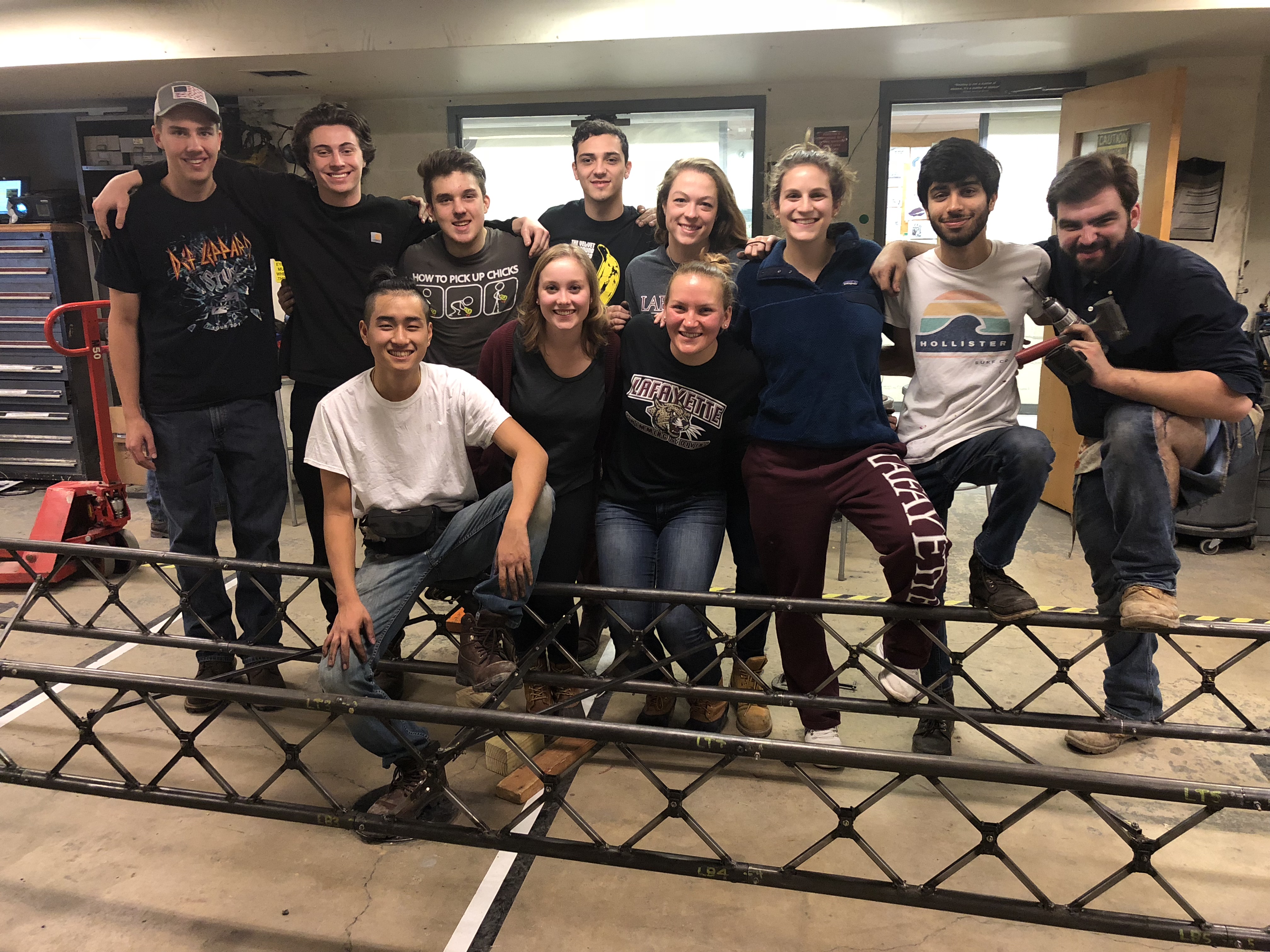
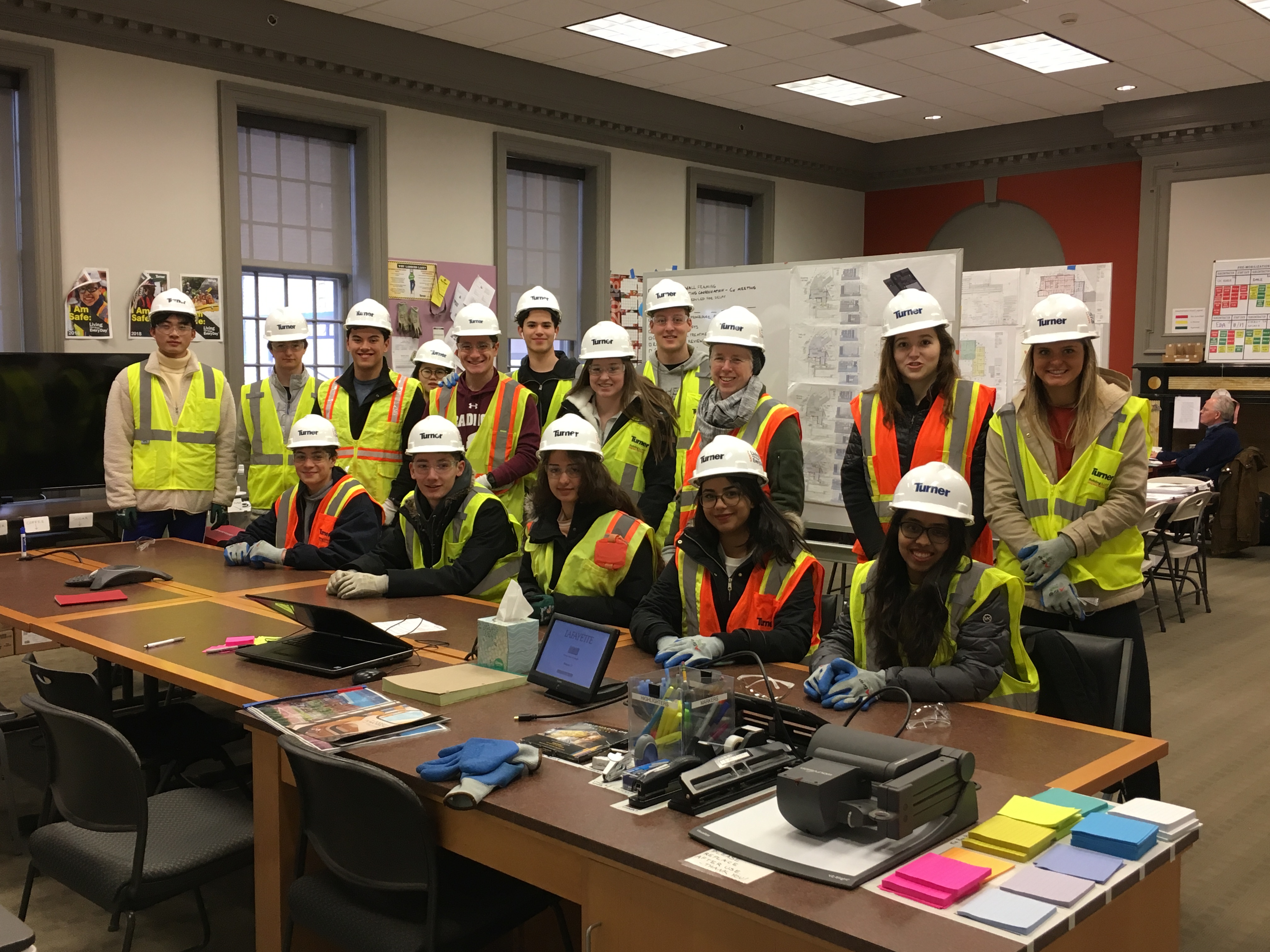
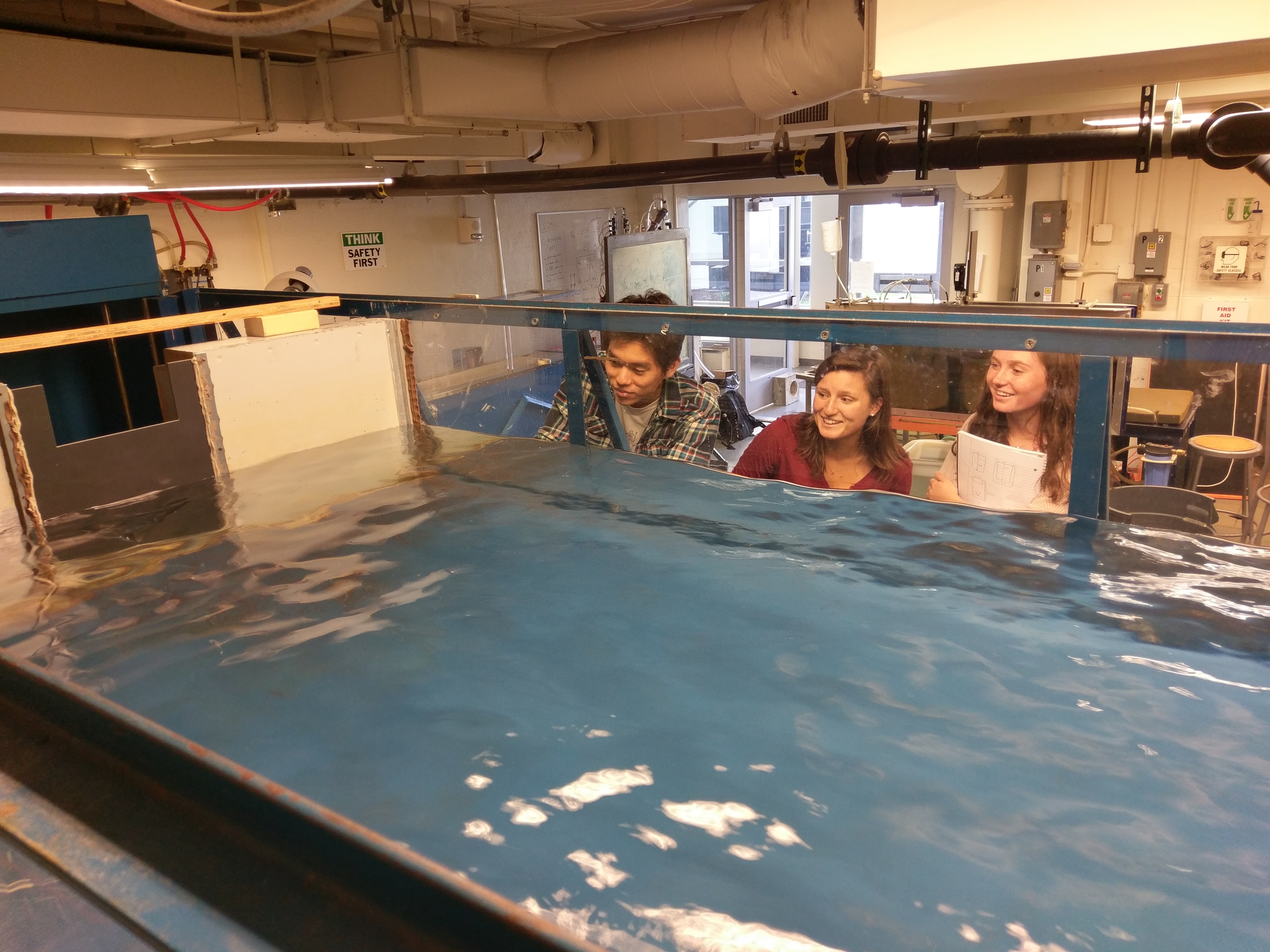


Civil engineers, like all engineers, are problem-solvers. They find the best ways to construct, operate, and maintain bridges, buildings, dams, and highways. They design water plants and waste treatment systems, and look for ways to manage hazardous materials.
“Civil engineering is about community service, development, and improvement. It involves the conception, planning, design, construction, and operation of facilities essential to modern life, ranging from transit systems to offshore structures to space satellites. Civil engineers are problem solvers, meeting the challenges of pollution, traffic congestion, drinking water and energy needs, urban redevelopment, and community planning.”
— American Society of Civil Engineers.
The curriculum prepares students for a variety of situations by emphasizing fundamental principles of engineering, an appreciation of the effect of human factors on technology, logical thinking, resourcefulness, and ethical considerations in applying science to human problems. In addition to a thorough grounding in science and technology, students select more than one-fifth of their courses in the liberal arts and humanities.
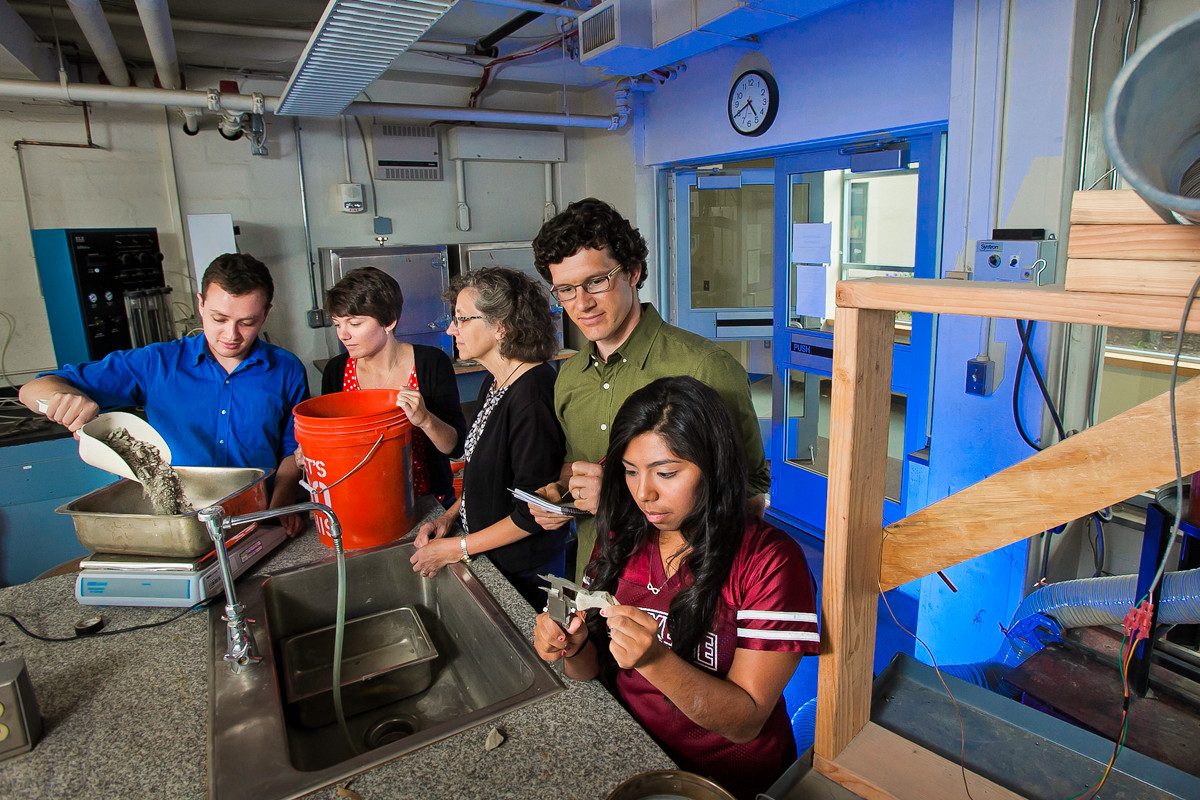
Students may choose to focus on structural, environmental, geotechnical, transportation, construction, or hydraulic engineering. Facilities include laboratories for structural systems, materials, fluid mechanics, geotechnical engineering, geographical information systems, and environmental engineering. Design concepts and analytical techniques are integrated into the curriculum, which includes extensive use of state-of-the-art computer systems.
Juniors and seniors may undertake independent studies and research projects in conjunction with faculty. Seniors may also do honors theses.
Requirements
For the BS degree in Civil Engineering, students must take a minimum of 36 courses, complete the Lafayette College “Common Course of Study (CCS)” and are required to take the following specific courses:
- Mathematics 161 (or 165), 162, 263, and 264;
- Physics 131 or 151;
- Chemistry 107;
- Engineering Science 101, 226 and 230;
- Civil Engineering 251, 271, 311, 321, 331, 341, 351, 361, 474, 475;
- The civil engineering program requires students to take two civil engineering electives; one engineering elective; one science elective from BIOL, GEOL, or NEUR; two additional math or science electives; and one additional math, science, or engineering elective. Additional information on electives can be found here.